Portable satellite internet for camping puts internet access at remote campsites. The technology lets campers send messages, stream maps, and sync files without cell service. The article explains choices, basic function, setup tips, and limits. It shows what features matter and what to pack. Readers can use this guide to pick a system that fits their travel style and data needs. Throughout, the focus is on practical decisions campers face: balancing weight and power, estimating realistic data use, and choosing systems that match trip length and terrain. Whether you car-camp, bike-pack, or kayak to a backcountry site, understanding portable satellite internet for camping helps you choose equipment that fits your route, safety needs, and comfort level with setup and maintenance.
Key Takeaways
- Portable satellite internet for camping ensures reliable connectivity in remote areas where cell service is unavailable, supporting safety, navigation, and communication needs.
- Users can choose from different portable satellite systems such as LEO, GEO, and handheld hotspots, each varying in speed, latency, and power requirements.
- Key features to evaluate before buying include speed, data caps, antenna size, battery life, weather resistance, and customer support.
- For optimal performance, position your portable satellite internet unit with a clear sky view, use stable mounts, and keep backup power sources like solar panels or power banks.
- Portable satellite internet is best suited for messaging, map updates, and light remote work but may struggle with high-definition streaming or gaming due to latency and data limits.
- Packing essentials include the internet unit, antenna, power sources, tripod, cables, and necessary credentials to ensure smooth setup and use on camping trips.
Why Choose Portable Satellite Internet For Camping
Portable satellite internet for camping gives campers consistent coverage where cell service fails. It provides voice, text, navigation, and limited streaming at remote sites. Campers may choose it for safety, work, or family contact. It also supports weather updates and emergency alerts. The service works across forests, deserts, and many marine areas. Users pay for hardware and data plans, and they trade lower latency for wider coverage. Beyond basic connectivity, consider how often you need internet on a trip: a weekend car-camper may prioritize a small hotspot and spare battery, while an overland traveler on extended routes might invest in a larger terminal with solar charging and a more flexible data plan. Cost, weight, and simplicity are the three practical axes for most campers when evaluating options.
How Portable Satellite Internet Works (Basics For Campers)
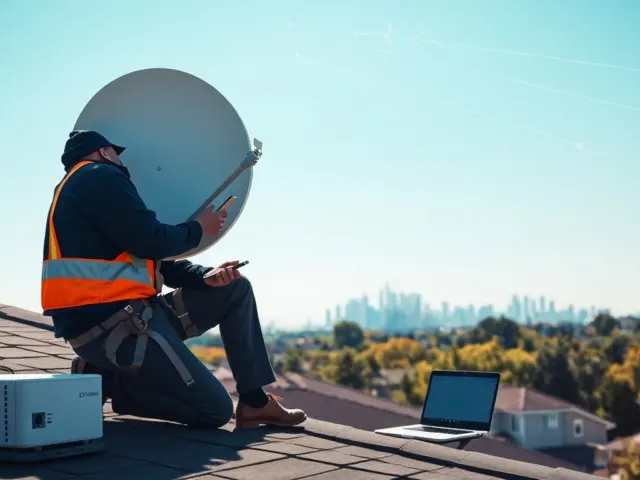
A portable satellite internet unit sends and receives radio signals to a satellite. The satellite relays the signals to a ground gateway that connects to the internet backbone. The unit uses an antenna, a modem, and power. Campers point the antenna to the satellite or let an auto-pointing system find it. The system requires line of sight to the sky and a clear horizon for best signal. Devices connect to the unit via Wi‑Fi or Ethernet. For campers, the important practical pieces are: whether the antenna is manual or motorized, how long acquisition takes, and how visible the unit must be during operation. Basic troubleshooting steps include checking LED signal indicators, reorienting the antenna, and moving a few metres to avoid canopy shadows. Understanding these basics helps avoid wasted time troubleshooting at a campsite when you could be using the connection for navigation or safety checks.
Types Of Portable Satellite Systems And How They Differ
Low-earth orbit (LEO) systems use many fast-moving satellites to reduce latency. Geostationary (GEO) systems use one high-altitude satellite and offer wider coverage per dish but higher latency. Portable VSAT units are compact versions of GEO setups and often need a tripod. Phased-array LEO terminals use flat panels and auto-track satellites. Handheld satellite hotspots offer basic text and light web access. Each type differs in speed, latency, size, and power draw. In practice, LEO options tend to be better for interactive tasks like video calls (lower latency) but may need more frequent reconnection as satellites pass; GEO-based portable VSAT units can hold a stable link longer once aligned but introduce more delay. Handheld hotspot devices are simplest to pack and often cheapest to operate for sporadic messaging, but they are limited for streaming or multiple-device use. Match the system type to your expected use: single-device emergency texting, multi-device family camping, or mobile work requiring a steady low-latency link.
Key Features To Evaluate Before You Buy
Buyers should compare speed, latency, and monthly data caps. They should check antenna size, weight, and durability. They should confirm auto-pointing and setup time for each model. They should review battery life, power options, and charging speed. They should read about weather resistance and operating temperature. They should verify roaming, plan flexibility, and contract length. They should check customer support and return policies. Also evaluate ecosystem features that affect day-to-day use: does the unit offer multiple SSIDs for guest devices, built-in VPN for secure remote work, or local caching for offline map tiles? Consider real-world throughput (not just headline speeds) when several devices are connected, and confirm how the provider handles congestion or peak-time throttling. Finally, assess repairability and availability of spare parts if you plan long trips in remote regions.
Practical Setup Tips For Reliable Camping Connections
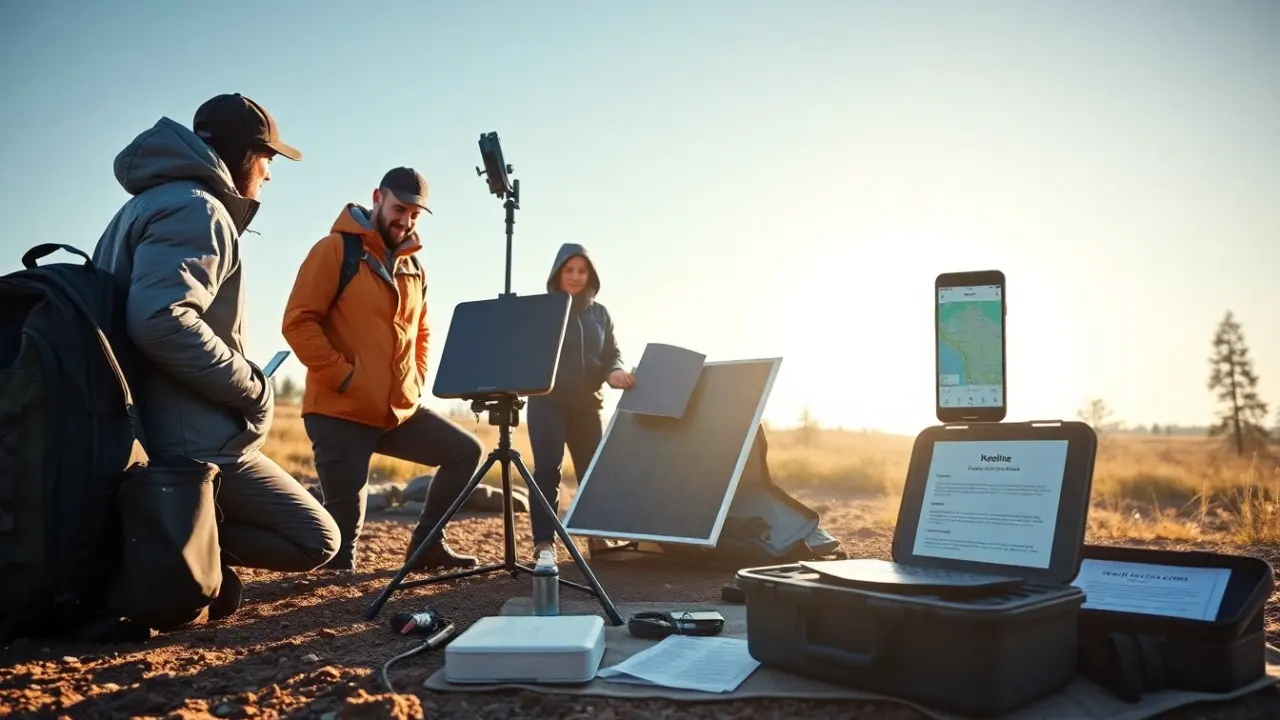
Site a unit with clear view of the sky and minimal tree cover. Place the antenna on stable ground or a small tripod. Remove nearby metal or reflective objects that can block signals. Use the unit’s app or indicator lights to confirm satellite lock. Keep a charged power bank or solar panel as backup power. Update firmware before travel and test the unit near home. Use shorter ethernet runs and position the router centrally in a group site. Additional field tips: bring a small level or bubble to ensure dish alignment for models that need manual setup; carry a few tent pegs and bungee cords to secure tripods in wind; keep antenna and electronics in dry bags when not operating; and set devices to low-bandwidth modes (plain text email, offline maps) during weak-signal conditions. If you camp in colder climates, be mindful that battery performance can drop—store spares in an insulated container close to your sleeping area.
Best Use Cases, Limitations, And Realistic Expectations
Portable satellite internet for camping works well for messaging, map updates, email, and remote work with light uploads. It works for emergency voice calls and low-resolution video calls. It does not match urban fiber for sustained high-definition streaming or large backups. It can suffer from latency that affects fast gaming and real-time collaboration. Weather and dense canopy can reduce speeds. Campers should plan for data limits, and they should carry offline backups for maps and media. Set realistic usage rules for a group share: prioritize navigation and safety tools, restrict automatic cloud backups and large app updates while on the trip, and schedule high-bandwidth tasks for when you return to civilization. Consider a hybrid approach—use the satellite link for critical tasks and rely on local caching or occasional cellular boosts when available—for the most reliable experience.
Compact Buying Checklist: What To Pack And Compare
A compact checklist helps compare options before purchase. Include the portable unit, antenna, and modem. Pack the charger, spare battery or power bank, and optional solar panel. Include a tripod, carrying case, and ethernet cable. Bring the device app credentials, SIM or eSIM, and proof of plan purchase. Compare speed claims, typical data rates, plan caps, and overage fees. Verify warranty, size, and weight against packing limits for the trip. Add these practical packing notes: bring labeled cables and a small repair kit (zip ties, electrical tape, multi-tool), a printed quick-start checklist for the unit, and a small dry‑bag for electronics. For multi-day outings, include a tested power budget—estimate daily watt-hours needed and size your battery or solar array accordingly. Finally, test the entire kit at home so you can pack spare parts and documentation for any model-specific quirks you encounter before you leave.