The article lists key facts about the space race. It shows why the contest mattered politically and technologically. It names major events and people. It explains outcomes that affect daily life today. It avoids opinion and sticks to verifiable detail. The following sections expand on the diplomatic, scientific, industrial, and cultural dimensions of the competition and summarize how specific developments during that period created lasting institutions, practices, and technologies.
Key Takeaways
- The space race was driven by Cold War rivalry between the Soviet Union and the United States, linking space technology to national security and military strength.
- Early milestones like rocket launches and satellite deployments forced nations to invest in space programs, influencing international laws and education systems.
- Human spaceflight breakthroughs focused public attention on astronauts, advancing biomedical research and training methods.
- The space race boosted investments in electronics, materials, and telecommunications that continue to impact civilian industries today.
- Astronauts’ achievements made space exploration a cultural phenomenon, inspiring global interest and cooperation in future missions.
- Beyond headline events, the period produced procedural and institutional advances — standardized launch operations, mission control concepts, and cross-disciplinary engineering teams — that underpin modern space activity.
Origins And Cold War Context
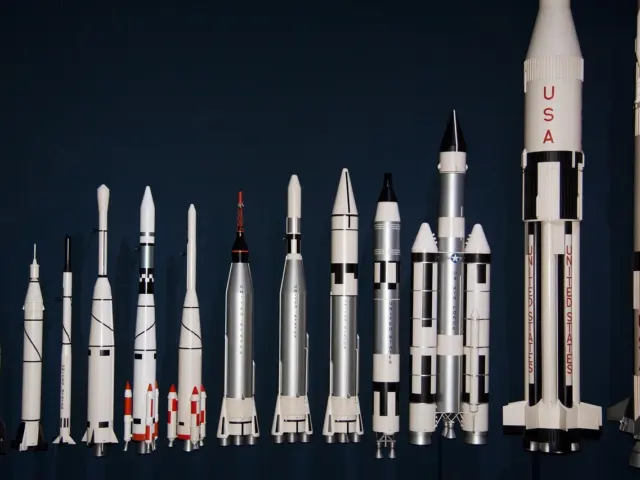
The Soviet Union and the United States drove the space race as part of their Cold War rivalry. Each side aimed to show military strength and technical skill. The launch of long-range rockets and spy satellites linked space work to national security. Scientific agencies and military branches funded programs that produced rockets, guidance systems, and launch facilities. The competition raised public interest in science and education. It also pushed investment in electronics, materials, and telecommunications. These investments later supported civilian industries. These facts about the space race explain how geopolitics accelerated space technology and global communications. In addition to government agencies, universities and private contractors expanded rapidly to meet demand for engineers, technicians, and support personnel; that workforce growth reshaped academic curricula and created new interdisciplinary fields such as aerospace engineering and systems engineering.
Early Milestones That Shocked The World
The first milestones changed public perception of technology and danger. Governments and citizens reacted quickly to each success. Early launches showed that rockets could reach high altitude and carry payloads. Those results created urgency in policy and funding. The early wins forced other nations to create space programs and set safety rules for satellites. Media coverage turned engineers into public figures. These facts about the space race show how a few early events altered national budgets, school curricula, and international law about space. At the technical level, routine procedures such as telemetry, tracking, and range safety were developed or refined; at the diplomatic level, debates about sovereignty, free passage, and the peaceful use of space began to influence multilateral talks and treaties. The immediate public reactions also led to increased funding for science education programs aimed at producing the next generation of specialists.
The Human Spaceflight Breakthroughs
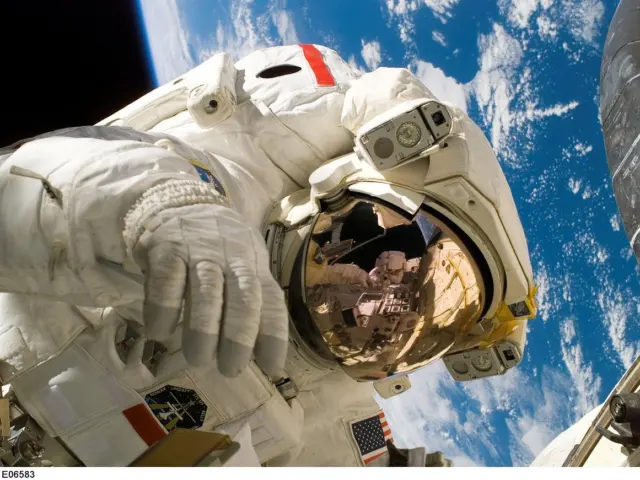
Human spaceflight shifted the public focus from hardware to people. Achieving manned flight required new life-support, training, and medical protocols. Space agencies created selection and training programs for pilots and scientists. Missions tested human tolerance to acceleration, weightlessness, and isolation. The presence of astronauts and cosmonauts made the competition personal and dramatic. Their flights inspired new cultural works, from films to literature. These facts about the space race highlight how human missions accelerated biomedical research, cockpit design, and international interest in cooperative missions. They also led to practical advances in mission planning, redundancy and safety engineering, and long-duration habitation concepts that later informed space station design and international partnerships in human spaceflight.