| Milestone | Verified detail | Planning use |
|---|---|---|
| Sputnik 1 | Launched Oct 4, 1957; a 190 lb satellite travelling about 18,000 mph and circling Earth once every 100 minutes | Use as the opening date when someone asks when the race began. |
| Yuri Gagarin, Vostok 1 | Apr 12, 1961; a single 108-minute orbit, making him the first human in orbit | Use as the benchmark for the Soviet lead in crewed flight before the Moon goal was set. |
| Kennedy’s lunar goal | May 25, 1961; land a man on the Moon before the decade ends | Use to explain why the Moon became the race’s main finish line. |
| Apollo 11 | Jul 20, 1969; the first humans to set foot on the Moon | Use as the strongest marker when the question is who won. |
| Apollo cancellations | Sep 2, 1970; NASA cancelled Apollo 18-20, leaving Apollo 17 as the last scheduled mission | Use to show that the lunar phase was winding down by the time the race ended. |
Dates and figures in the table follow Astronomy’s key dates in the space race.
What was the space race? It was the Cold War contest between the United States and the Soviet Union to lead in spaceflight, generally dated from about 1957 to 1975, and it is best judged by milestones rather than a single winner.
The race left behind questions that outlasted it, including who owns mars and how national rivalry should shape claims beyond Earth, which our who owns mars hub examines in detail.
Who won the space race
Neither side won every contest, so the verdict depends on the measure you choose. The Soviet Union took the early firsts with Sputnik 1 and Yuri Gagarin. The United States answered when Alan Shepard flew aboard a Redstone rocket on May 5, 1961, becoming the first American in space on a 15-minute suborbital flight, according to Astronomy’s timeline. The same timeline shows the lunar firsts split between the rivals: the Soviet Luna 10 became the first spacecraft to orbit the Moon on Apr 3, 1966, and the American Surveyor 1 made the first soft landing there on Jun 2, 1966.
Use the measure that matches the question being asked:
- First satellite and first human in orbit: the Soviet Union leads, so a verdict taken from the race’s early years favours Moscow.
- First American in space: Shepard’s flight was suborbital, which is why it is not a like-for-like answer to Gagarin’s orbit.
- First lunar orbiter versus first soft landing: the Soviet Union and the United States each hold one, so neither settles the argument.
- First humans on the Moon: the United States, through Apollo 11. This is the fairest verdict on the race as its own leaders framed it, because the stated goal was a crewed lunar landing.
What defined the race
Cold War rivalry
The space race grew out of a wider confrontation. Marquette University’s space race overview notes that the Soviet Union and the United States were wrapped up in the Cold War, which is why launches were read as signs of national strength and not only as engineering results. The Sputnik launch gave that rivalry a public scoreboard.
Secrecy and early failure
The two sides reported results differently. The same overview records that the Soviets announced only their successes and kept failures secret, while the Americans announced both. Early public comparisons therefore rested on uneven information. In the early satellite effort, the Soviets and Americans together made 14 attempts, with 6 successes, so failure was the normal early outcome rather than an exception.
Anyone summarising the race should therefore treat announced Soviet results as a record of successes, not a full count of attempts.
Institutions, safety and policy consequences
The race reshaped government organisation and risk tolerance. Under President Eisenhower the civilian National Advisory Committee on Aeronautics (NACA) became the National Aeronautics and Space Administration (NASA), as the Marquette overview describes. NASA then carried the Apollo programme that answered Kennedy’s lunar goal.
Safety setbacks show the practical cost of racing against a deadline. The Apollo 1 fire on Jan 27, 1967 delayed crewed flights until October 1968, when Apollo 8 flew, according to the Space Center Houston account of Apollo 11. A single accident therefore moved the schedule far more than any rival announcement did.
These lessons carry into current decisions:
- Writing or teaching about the race: present it as a set of national goals, institutions and accidents, not a chain of heroic firsts.
- Reading modern space policy: the race framed space as an arena for national achievement. Present-day arguments about settling Mars are examined in Why We Should Colonize Mars: How Building A Second Home Protects Our Future (By 2035) – Decolonizemars.
- Comparing past and present spaceflight: commercial passenger flight is a different model from state-run rivalry, and What Is Space Tourism? How Commercial Trips To Space Work In 2026 – Decolonizemars explains how it works.
How the Moon programme worked
Launch power
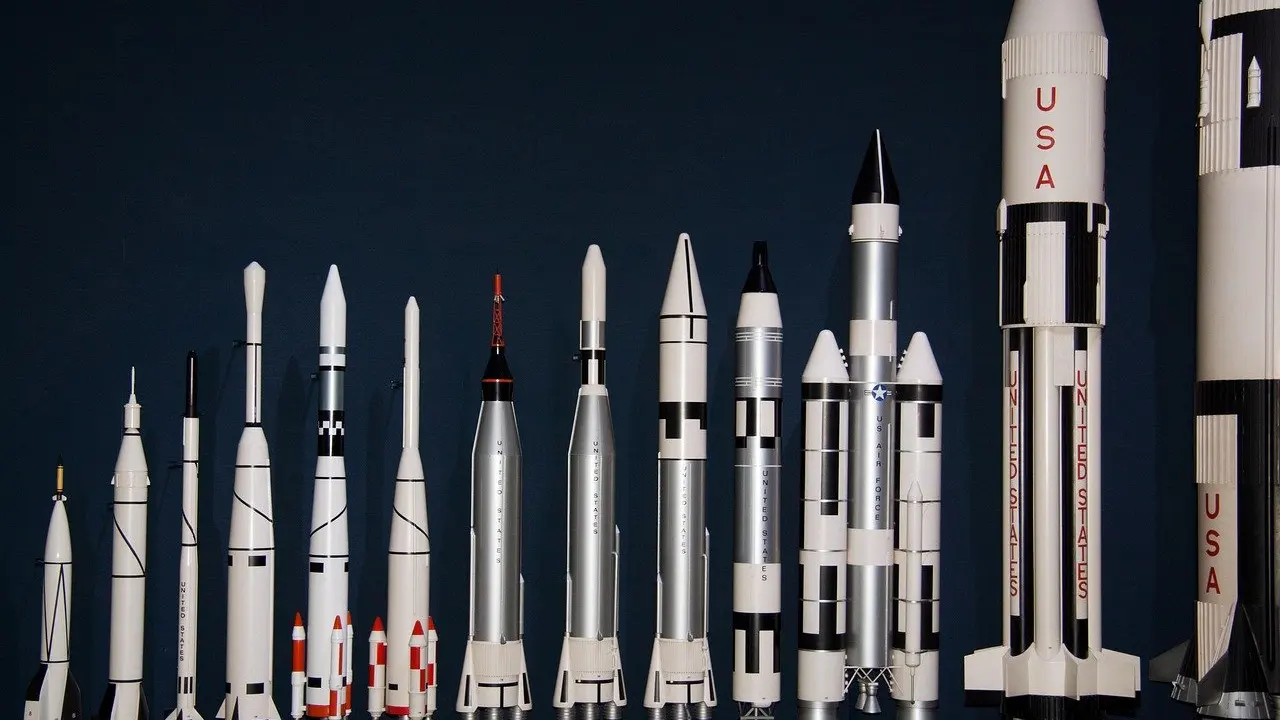
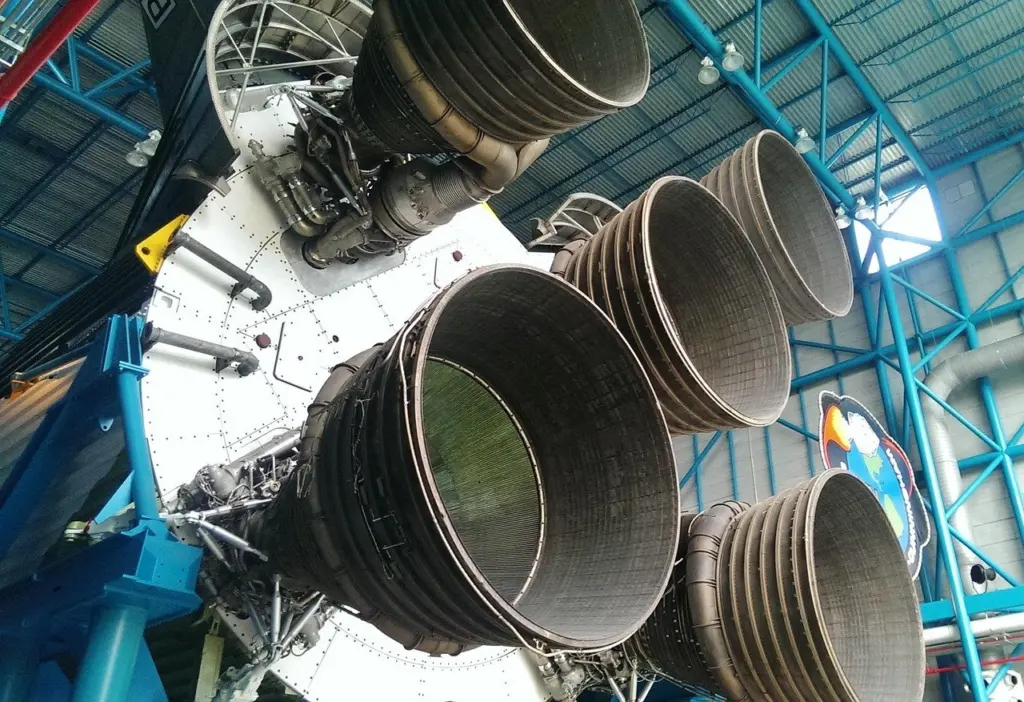
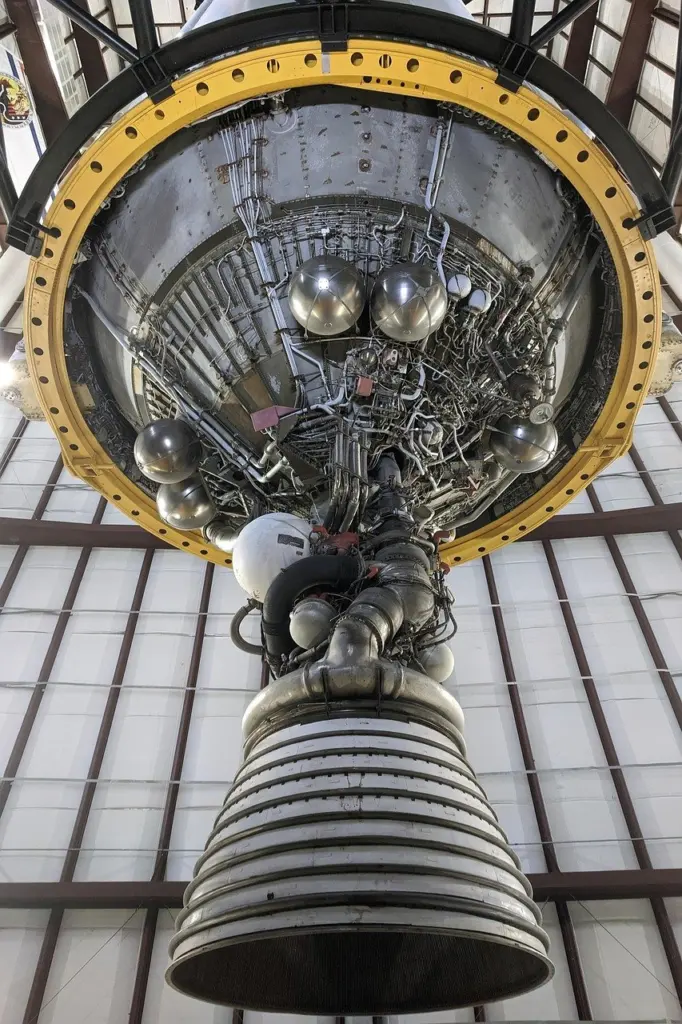
The lunar landing depended on one very large launcher. The Smithsonian National Air and Space Museum describes the Apollo 11 launch vehicle and spacecraft and notes that for five decades the Saturn V remained the largest and most powerful launch vehicle the United States had built. Space Center Houston puts its output at 7.9 million lb of thrust, and Apollo 11 lifted off atop a Saturn V on Jul 16, 1969.
Landing, living and returning
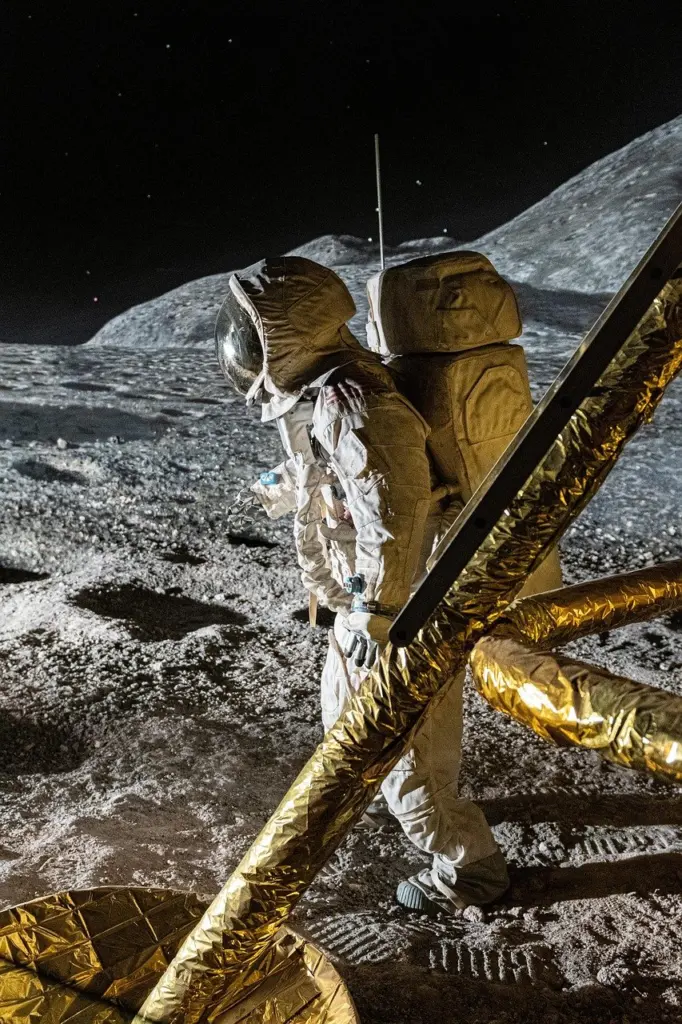
The landing craft used far smaller engines than the rocket that sent it to the Moon. The museum gives the Lunar Module descent engine a maximum thrust of 44,316 N (9,870 lb) and the ascent engine 15,700 N (1,050 lb). Compared with the Saturn V’s 7.9 million lb, these figures show how precisely sized each stage was for its job.
The crew lived in a Command Module whose interior was about as roomy as a large automobile, according to the same museum account. Endurance had been tested earlier: Space Center Houston says Gemini V showed that astronauts could survive in space for eight days, which is about the length of a Moon round trip.
Frequently asked questions
Who was the first living creature in orbit?
Laika the dog, aboard the Soviet Sputnik 2 on Nov 3, 1957, as listed in Astronomy’s timeline.
What happened to the Vanguard launch?
On Dec 6, 1957 the American Vanguard rocket did not rise fast enough and fell over and burned, according to the Marquette overview.
How long did the Apollo 11 crew spend on the Moon?
About 36 hours on the surface, followed by a Pacific splashdown on Jul 24, 1969, according to Space Center Houston.
What was the Apollo 13 accident?
On Apr 13, 1970 an oxygen tank exploded during the mission, and the crew returned safely, as recorded in Astronomy’s timeline.