What is space tourism? It is commercial travel beyond Earth’s atmosphere for recreation, leisure or adventure rather than research. Most trips are suborbital hops past the Kármán line that last minutes, while orbital private flights have been far rarer.
Space tourism is also an access question: who can afford a seat, and who writes the safety rules. That is the same thread that runs through the wider debate over who owns mars, and it is why the industry matters beyond the thrill of the ride.
What counts as space tourism
A trip counts as space tourism when the purpose is commercial and recreational. The University of Central Florida defines the practice as commercial travel beyond Earth’s atmosphere for recreational, leisure or adventure purposes. Scientific missions are a different category, even when they fly on the same kind of vehicle.
The purpose test
Purpose, not hardware, separates a tourist from an astronaut. A paying passenger who flies for the experience is a tourist. A professional crew member flying a research mission is not. This matters because the same capsule or station can serve both kinds of traveller, and regulators, operators and the public treat the two roles differently.
Suborbital and orbital trips
Space tourism splits into two types. According to a Skyline College guide, orbital trips reach a stable orbit around Earth, while suborbital trips are shorter flights that ascend into space and then return. A suborbital flight carries passengers above the Kármán line, which UCF describes as the boundary between Earth’s atmosphere and outer space.
For a buyer, the practical difference is commitment. A suborbital trip is a short experience, while an orbital trip is a different kind of mission. A guide to the field notes that only a handful of private individuals have flown orbital missions aboard Russian Soyuz spacecraft, so orbital tourism has so far been the exception.
How a trip works, stage by stage
A commercial trip follows a sequence in which each stage exists to reduce risk before the next one starts. UCF says safety is approached from several directions at once, including vehicular testing, passenger training and national regulations. Those three elements map neatly onto the stages of a trip.
- Choose the trip type. A suborbital ride and an orbital stay are different products with different commitments. Decide which one you are actually considering before comparing operators.
- Prepare the vehicle and ground crew. Vehicles are tested before passengers board, and the launch vehicle is readied on the ground before any flight.
- Train the passengers. Passenger training is one of the named pillars of safety, so treat the training offered as part of what a ticket buys.
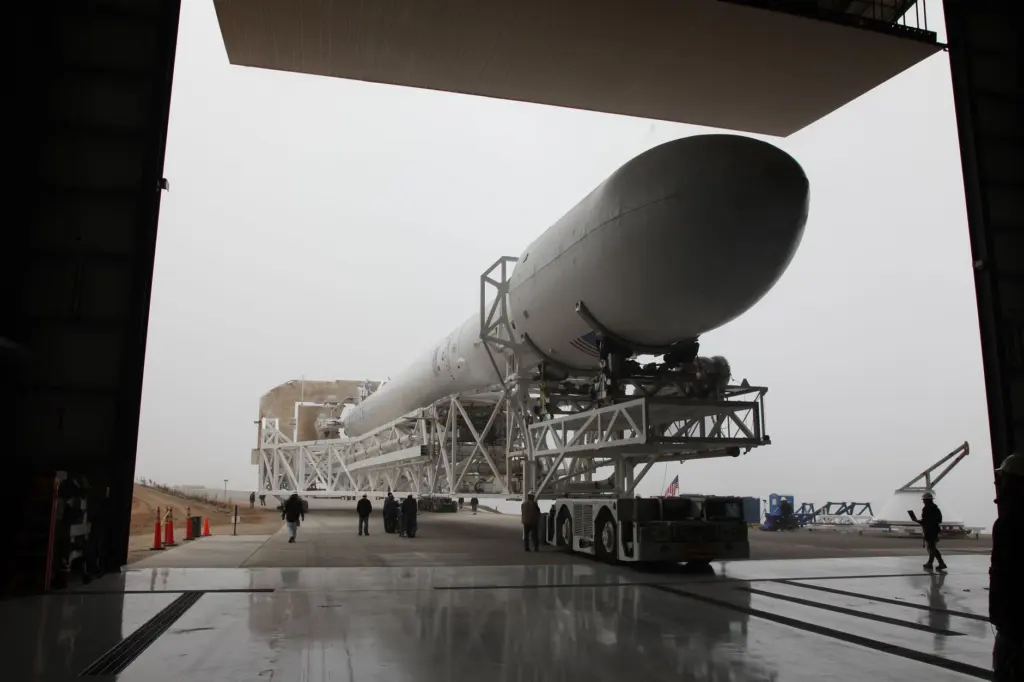
- Fly the mission. On a suborbital trip, UCF describes passengers being carried above the Kármán line for 10 to 15 minutes. Blue Origin focuses on this kind of trip through its New Shepard vehicle.
- Return. A suborbital flight returns after its short time in space, as the Skyline College guide notes.
The short flight time is the main condition to weigh. A suborbital trip gives a brief taste of space, and the minutes above the line are the whole product. Travellers who want a longer stay are looking at a different category of mission.
Providers at a glance
Three companies show how different the business models are. Blue Origin and Virgin Galactic sell short flights, and Axiom Space is oriented toward orbit and stations.
| Provider | What it does | Planning use |
|---|---|---|
| Blue Origin | Focuses primarily on suborbital tourism through its New Shepard vehicle; tourism operations began with Jeff Bezos on the first crewed mission in July 2021 | Suits a traveller who wants a short suborbital trip rather than a stay in orbit |
| Virgin Galactic | Its Unity vehicle made its first fully crewed flight on July 11, 2021 | A second route to a short flight, so the two companies can be compared on training and track record |
| Axiom Space | Flies private astronauts to the ISS and focuses on building commercial space stations | Relevant to anyone weighing an orbital stay rather than a suborbital hop |
The figures come from the University of Central Florida’s overview and a Skyline College guide.
What a ticket costs and who can pay
Ticket cost is the main gate on who flies. UCF states that space tourism remains accessible only to extremely wealthy individuals or those funded by sponsors and organizations. For most readers, then, the realistic routes to a seat are personal wealth or a sponsor, and a price comparison across operators only matters once one of those applies.
Compare what is bundled before comparing headline prices. Training and trip type are part of the product, and a suborbital flight and an orbital stay are not like-for-like purchases.
Safety and regulation
Space tourism is not risk-free, and the safety framework is still maturing. The mix described by UCF, vehicular testing, passenger training and national regulations, includes oversight from national regulators such as the FAA. Regulation therefore sits with national authorities, not with a single global body.
UCF adds that more comprehensive safety standards will likely emerge from operational data and lessons learned. In practice, a young industry’s standards are still developing as flights accumulate, so an operator’s testing and flight history deserve as much weight as its marketing. Anyone considering a flight should treat the passenger-training offer and the operator’s record as the key points to check.
Who gets access to space
Space tourism shifts spaceflight from a small professional corps toward paying civilians. UCF says it transforms what was once an exclusive domain of highly trained astronauts into an experience accessible to civilians. The contrast with the state-run era is sharp, and the history is told in The Space Race Explained: How The U.S. And USSR Battled For The Stars (1945–1975) – Decolonizemars.
How many people have flown
The count of paying passengers starts with a single orbital flyer. The first space tourist was American businessman Dennis Tito, flying on April 28, 2001, and afterwards only a handful of private individuals flew orbital missions on Soyuz. Crewed suborbital operations then began in July 2021 for both Blue Origin and Virgin Galactic, as the table above shows. Because the earlier orbital flights were few, the suborbital companies account for most of the later growth in civilian flyers.
The access debate
Opening space to civilians does not mean opening it to everyone. A technology guide raises ethical questions about accessibility, cost disparity, and the prioritization of commercial over scientific missions. Those questions about risk, fairness and priorities echo older debates, including the one examined in Were Animals Necessary For The Space Race? Ethics, Science, And Lessons From History – Decolonizemars. They also point forward: if a few private operators set the terms of early access, regulators and the public have a stake in how those terms are set.
Frequently asked questions
Who was the first space tourist?
American businessman Dennis Tito, on April 28, 2001, according to a Skyline College guide.
Does a suborbital flight really reach space?
Yes, by the Kármán line definition. Passengers are carried above that boundary between the atmosphere and outer space, and they stay there for only minutes.
Is Axiom Space a space tourism company?
It sits at the orbital end of the field. Axiom Space flies private astronauts to the ISS and focuses on building commercial space stations.
Can space tourism count as science?
No. The definition used here is travel for recreation, leisure or adventure. Scientific missions are a separate category, even though the two can share vehicles.