Ask for the most famous astronauts and the answers collide: Yuri Gagarin was the first person in space on April 12, 1961, while Neil Armstrong was the first man to set foot on the Moon on July 20, 1969.
For what comes after these firsts, the Mars Exploration and Settlement hub takes up the question: can humans live on mars? The sections below separate the milestones people tend to blur together and show whose stories the usual lists leave out.
Gagarin and the first person in space
The first person in space was Yuri Gagarin. The Smithsonian National Air and Space Museum records that his single orbit of Earth on April 12, 1961, took 108 minutes from ignition to landing. He had been selected with 20 others for cosmonaut training in 1960, and once the Soviet press release announced the flight, he became an international hero.
A common mix-up is crediting an animal flight, or an American flight, with that first. Animals did fly earlier: the Soviet Union launched the dog Laika into space in November 1957, and NASA launched a chimpanzee on a suborbital flight in January 1961. Those flights tested the idea, but neither put a person in space. Alan Shepard then became the first American and the second man in space on May 5, 1961, so the order is Gagarin first and Shepard second.
The early firsts compared
Four astronauts carry most of the milestones that people attach to the word “first”. The table separates what each one actually did, because the labels sound alike and are easy to swap.
| Astronaut | What they were first at | Date | Flight profile | Easy mix-up to avoid |
|---|---|---|---|---|
| Yuri Gagarin | First person in space | April 12, 1961 | One orbit of Earth, 108 minutes from ignition to landing | Animals flew earlier, including Laika in November 1957 |
| Alan Shepard | First American in space; second man in space | May 5, 1961 | Freedom 7, suborbital, 490 km (300 mi), 15 minutes | A suborbital hop is not an orbit of Earth |
| John Glenn | First American to orbit Earth | 1962 | Mercury program orbital flight; later nine days on STS-95 in 1998 | Glenn orbited, whereas Shepard’s flight was suborbital |
| Neil Armstrong | First man to set foot on the Moon | July 20, 1969 | Apollo 11 landing with Edwin “Buzz” Aldrin | Shepard also walked on the Moon, but on Apollo 14, not first |
Dates and flight profiles come from the Smithsonian National Air and Space Museum and NASA’s Armstrong biography.
Shepard and Glenn: the American firsts
Shepard piloted the Mercury spacecraft Freedom 7 on a 490-kilometer (300-mile), 15-minute suborbital flight, according to the Smithsonian. That makes his flight the first American spaceflight, but not an orbit of Earth. His career then widened: he served as Chief Astronaut during the Gemini Program, and he is the only one of the Mercury 7 astronauts to walk on the Moon, which he did on the Apollo 14 mission.
Glenn filled the gap Shepard left. He became the first American to orbit the Earth in 1962, and he returned to space in 1998, when he flew nine days, October 29 to November 7, in Discovery as a payload specialist. The Smithsonian notes that he holds the record as the oldest person ever to fly in space.
The practical rule is simple. Name Shepard when the question is about America’s entry into space or a Mercury astronaut who reached the Moon. Name Glenn when the question is about orbit or about flying at the greatest age.
Armstrong and the Apollo 11 landing
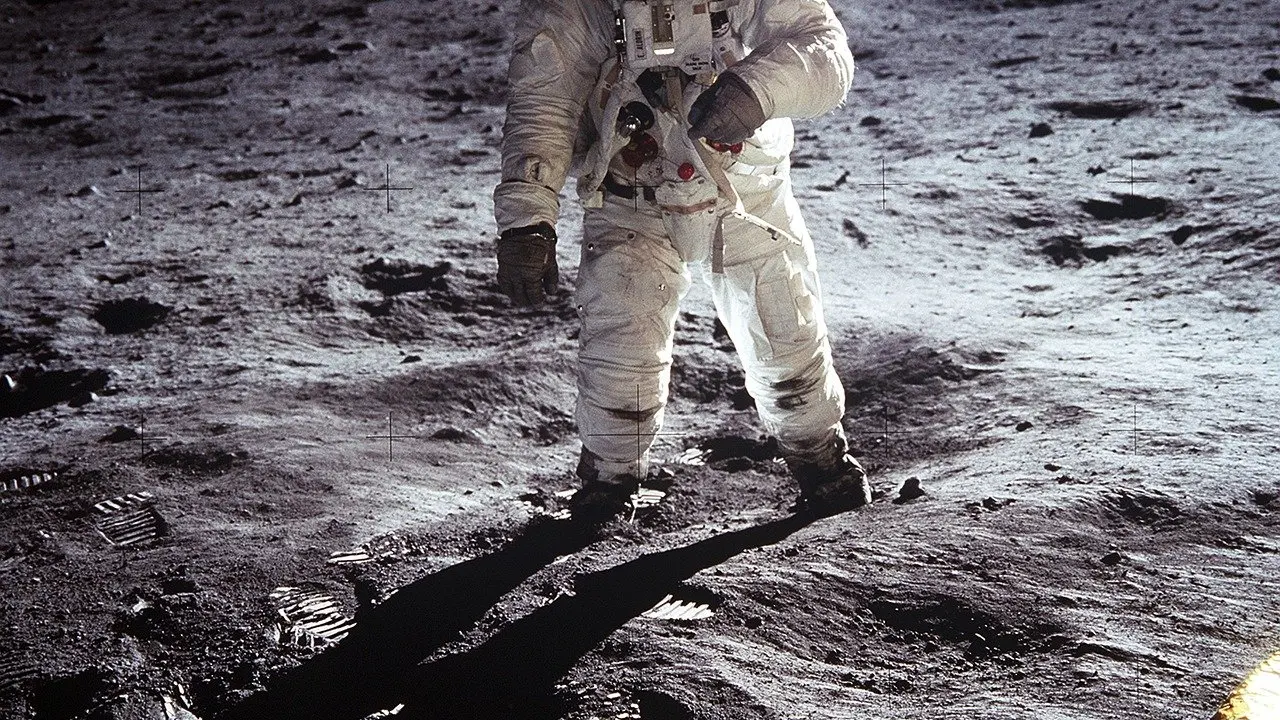
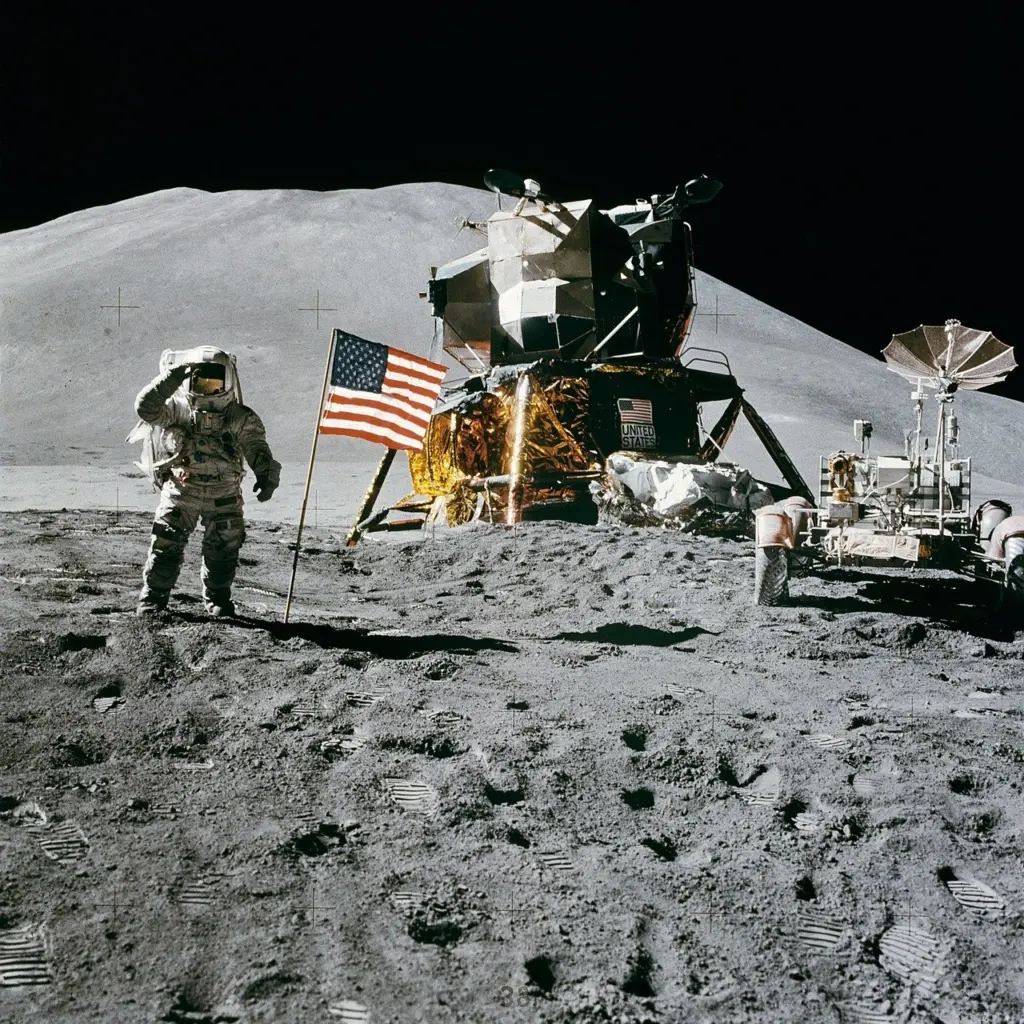
Armstrong was the “first man to set foot on the moon during the Apollo 11 mission,” as NASA states. Before he became an astronaut in 1962, he was a NACA pilot and research pilot. The mission answered a national goal set by President John F. Kennedy on May 25, 1961: a crewed lunar landing and return to Earth.
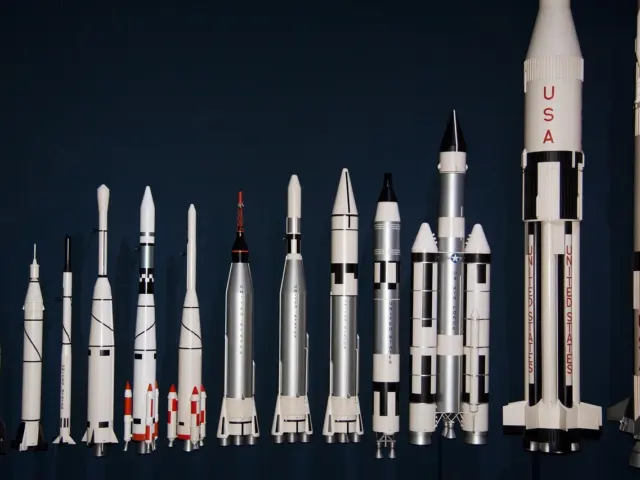
Apollo 11 launched on July 16, 1969, from Kennedy Space Center on a Saturn V rocket that stood 363 ft tall and weighed 6.2 million lb. Armstrong was commander, Michael Collins was command module pilot, and Edwin Aldrin was lunar module pilot. Armstrong and Aldrin landed on the Moon on July 20, 1969. The mission needed every one of those crew roles, though the landing’s fame attaches mostly to its commander.
The public scale was unusual. J. R. Hansen’s biography First Man records that somewhere between 750,000 and 1 million people gathered for the launch, the largest crowd ever for a space launch.
What makes an astronaut famous
Fame follows a few repeatable drivers, and being first is only one of them. The evidence from these careers points to four.
- A dated first. Gagarin, Shepard, Glenn and Armstrong each own a milestone that can be pinned to a day or a year, which makes their names easy to repeat.
- A record that lasts. Glenn’s 1998 flight keeps his name in circulation because he is still listed as the oldest person to fly in space.
- Public scale. Gagarin became an international hero after his flight, and the Apollo 11 launch drew the largest crowd ever for a space launch.
- An institutional role. Shepard served as Chief Astronaut during Gemini, and Armstrong had been a NACA research pilot before 1962, so both were known inside the programs as well as outside them.
If you need a short answer to which are the most famous astronauts, these four names cover the principal firsts in space, in American spaceflight, in orbit and on the Moon. Fame and importance are different measures, though, and the list reflects which stories were told most often.
Who the usual lists leave out
The early American astronaut pool was narrow by design. The Smithsonian explains that the Mercury Seven were selected from over 100 candidates who met minimum standards set by NASA. Those standards included being a qualified jet pilot, a graduate of test pilot school, and under 40. Those criteria shaped who was represented in that first group.
Even inside that group, fame was uneven. Six of the Mercury Seven travelled to space during the Mercury program. Deke Slayton, the remaining member, flew later on the Apollo-Soyuz Test Project, the first American-Soviet space flight. On the Soviet side, Gagarin was selected with 20 others in 1960, yet the story is usually told through his name alone.
The scope of popular lists matters too. The Astronaut Scholarship Foundation, which is not a government source, describes its astronaut list as representing all American astronauts. A list framed by one nation is useful, but it cannot tell the whole story of who has flown. When you read any ranking of famous astronauts, check the nationality, the program and the eligibility rules behind it before treating the ranking as complete.
Where to go next
To set these missions against the bodies they travelled among, read How Many Planets Are in Our Solar System? The Definitive Answer (2026 Update) – Decolonizemars. For another look at the planets themselves, continue with How Many Planets Have Rings? Which Worlds In Our Solar System Wear Ring Systems In 2026 – Decolonizemars.
Frequently asked questions
| Question | Answer |
|---|---|
| Who walked on the Moon first? | Neil Armstrong, during the Apollo 11 mission on July 20, 1969, as NASA records. Edwin Aldrin landed with him. |
| Was Alan Shepard the first man in space? | No. Shepard was the first American and the second man in space, on May 5, 1961, after Gagarin. |
| Did John Glenn fly more than once? | Yes. He orbited Earth in 1962 and flew again in 1998 on a nine-day Discovery flight, according to the Smithsonian. |
| Which astronauts count as the most famous? | There is no single ranking. Gagarin, Shepard, Glenn and Armstrong are the usual names because each is tied to a dated first, and the best choice depends on whether you mean first in space, first American, first to orbit or first on the Moon. |